

Why CCS-Based Battery Modules Are Becoming the Preferred Choice for ESS Integration
As energy storage systems become larger and more sophisticated, battery module design plays an increasingly important role in overall system performance.
One technology receiving growing attention is CCS, or Cell Contact System integration. By consolidating sensing and communication functions into a streamlined architecture, CCS helps reduce assembly complexity and improve consistency throughout battery production.


LYTH’s 1P12S 314Ah LiFePO4 Battery Module demonstrates these advantages in a practical energy storage platform. Delivering 38.4V nominal voltage and approximately 12.05kWh of energy, the module is designed for commercial and industrial ESS projects that require reliability and efficient integration.

The integrated CCS and wiring harness solution enables faster assembly, cleaner internal layouts, and improved signal management. For system integrators, this can translate into reduced labor requirements and more consistent battery pack quality.
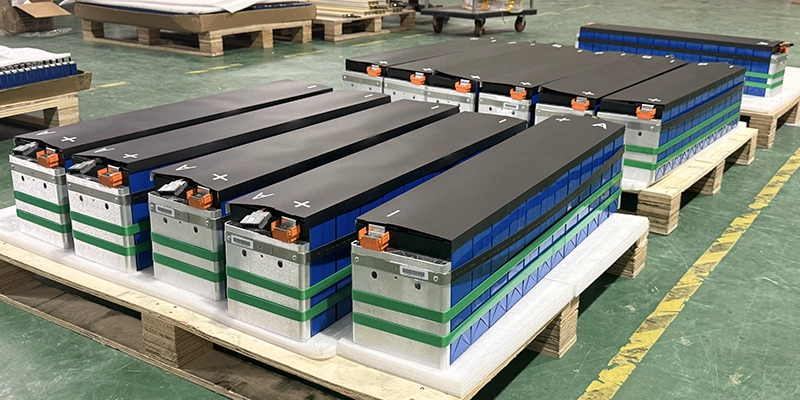
Beyond manufacturing benefits, the module leverages LiFePO4 chemistry to provide long service life, high safety standards, and dependable operation across demanding environments.
As battery system developers continue seeking ways to improve efficiency and reduce costs, CCS-based module architectures are expected to play an increasingly important role in the future of energy storage.

LYTH remains committed to delivering advanced battery modules that support the evolving needs of global energy storage markets.
Watch the module video here: